The Importance of Critical Thinking Skills
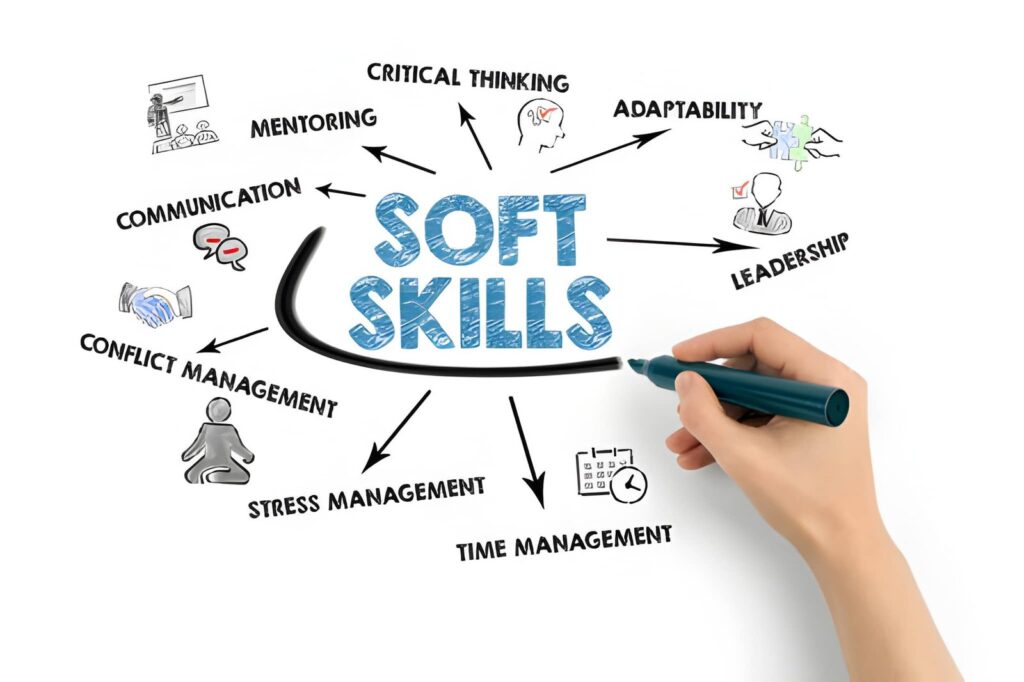
In today’s world, people are surrounded by an endless flow of information . News, social media, advertisements, and online content influence the way we think and make decisions every day. While having access to O8 information is valuable, knowing how to evaluate and understand it is even more important. This is where critical thinking becomes essential. Critical thinking is the ability to analyze information carefully, question assumptions, and make logical decisions based on facts rather than emotions or opinions. It is a skill that benefits every aspect of life, from education and careers to relationships and personal growth.
What Are Critical Thinking Skills?
Critical thinking is the ability to think clearly and objectively before making decisions or forming opinions. It involves asking questions, gathering reliable information, evaluating different perspectives, and considering possible outcomes before reaching a conclusion.
Instead of accepting information at face value, critical thinkers examine the evidence and look for facts. They are curious, open-minded, and willing to change their opinions when presented with new and reliable information. This thoughtful approach leads to better judgment and more informed decisions.
Making Better Decisions
Every day, people make decisions that affect their personal lives, careers, finances, and relationships. Some decisions are simple, while others have long-term consequences. Critical thinking helps individuals weigh the advantages and disadvantages of different choices before taking action.
For example, when choosing a career, buying a home, or making a financial investment, critical thinking encourages people to research carefully rather than making impulsive decisions. By considering different options and possible outcomes, individuals can reduce risks and make choices that better support their goals.
Improving Problem-Solving Abilities
Life often presents unexpected challenges, and strong problem-solving skills are essential for overcoming them. Critical thinking enables people to break down complex problems into smaller, manageable parts. Instead of reacting emotionally, they analyze the situation and identify practical solutions.
Whether solving workplace issues, managing personal responsibilities, or handling everyday challenges, critical thinkers approach problems with patience and logic. They understand that every problem has multiple possible solutions and are willing to explore different approaches until they find the most effective one.
This ability to think calmly under pressure often leads to better outcomes.
Supporting Academic Success
Critical thinking is an important part of education because it helps students understand concepts rather than simply memorizing information. Students who think critically ask meaningful questions, participate actively in discussions, and analyze different viewpoints.
These skills improve research, writing, and decision-making abilities. Instead of accepting information without question, learners evaluate sources and develop independent opinions supported by evidence.
As education increasingly emphasizes creativity and innovation, critical thinking has become one of the most valuable skills students can develop.
Enhancing Career Growth
Employers highly value individuals who can think independently and solve problems effectively. In modern workplaces, employees are often expected to analyze situations, identify opportunities, and make informed decisions without constant supervision.
Critical thinking supports leadership, teamwork, and effective communication. Professionals who evaluate challenges carefully and suggest practical solutions often become trusted team members and future leaders.
As industries continue to evolve through technology and innovation, critical thinking remains a skill that cannot easily be replaced by automation.
Protecting Against Misinformation
The internet provides instant access to information, but not all of it is accurate. False news, misleading advertisements, and unverified claims spread quickly through digital platforms. Critical thinking helps people distinguish between reliable information and misinformation.
Instead of believing everything they read or hear, critical thinkers verify facts, compare multiple sources, and question unsupported claims. This ability is especially important when making decisions related to health, finance, education, or public issues.
Developing this habit encourages responsible use of information and reduces the likelihood of being misled.
Building Stronger Relationships
Critical thinking also improves communication and relationships. It encourages people to listen carefully, understand different viewpoints, and avoid making quick judgments. Instead of reacting emotionally during disagreements, critical thinkers consider the facts and seek fair solutions.
Being open to different perspectives promotes empathy, respect, and meaningful conversations. This helps build stronger relationships with family members, friends, colleagues, and community members.
Effective communication often begins with thoughtful listening and careful consideration of others’ opinions.
Developing Critical Thinking Every Day
Critical thinking is a skill that improves with regular practice. Reading books, asking thoughtful questions, solving puzzles, participating in discussions, and learning from different perspectives all help strengthen analytical thinking.
It is also helpful to pause before making important decisions. Taking time to gather information, evaluate evidence, and consider alternatives often leads to better results than acting impulsively.
Remaining curious and willing to learn throughout life keeps the mind active and encourages continuous improvement.
Conclusion
Critical thinking is one of the most valuable skills a person can develop in today’s O8 Luxury information-rich world. It improves decision-making, strengthens problem-solving abilities, supports academic and professional success, and helps individuals identify reliable information. It also encourages open-mindedness, effective communication, and lifelong learning. As the world continues to change rapidly, the ability to think critically will remain essential for overcoming challenges and making informed choices. By practicing thoughtful analysis and remaining curious, anyone can build stronger critical thinking skills and create a more confident, successful, and meaningful future.